wp_enqueue_style('font-awesome', 'https://cdnjs.cloudflare.com/ajax/libs/font-awesome/6.5.0/css/all.min.css');
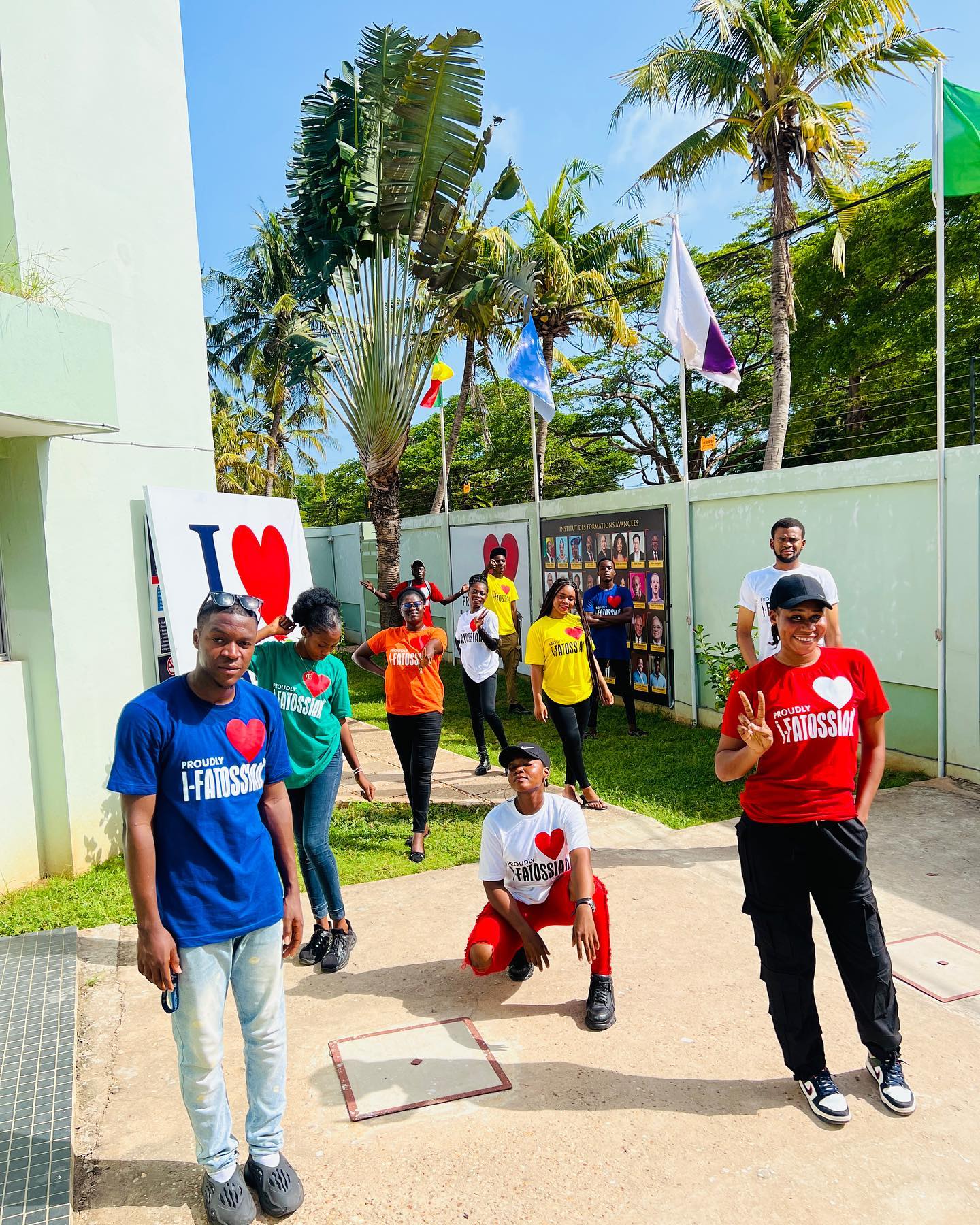
Experience the energy, diversity, and unity that define student life at i-FATOSS University. One week. Endless memories.
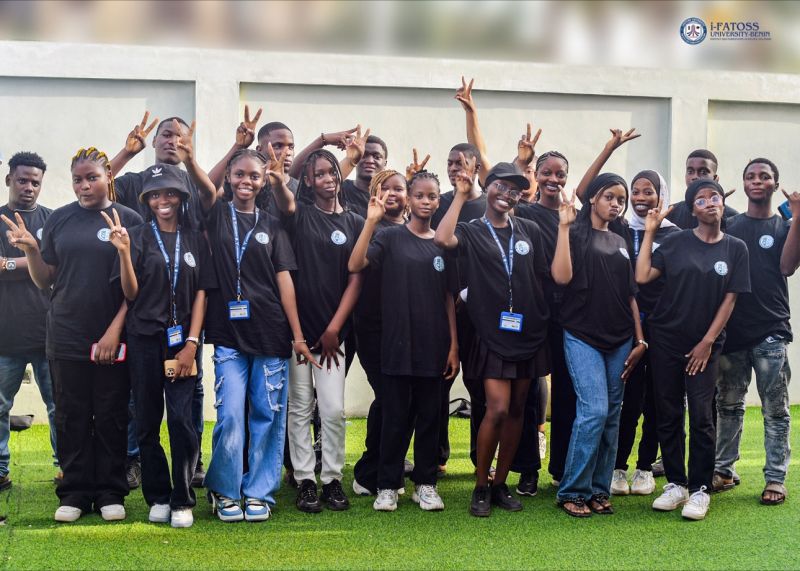
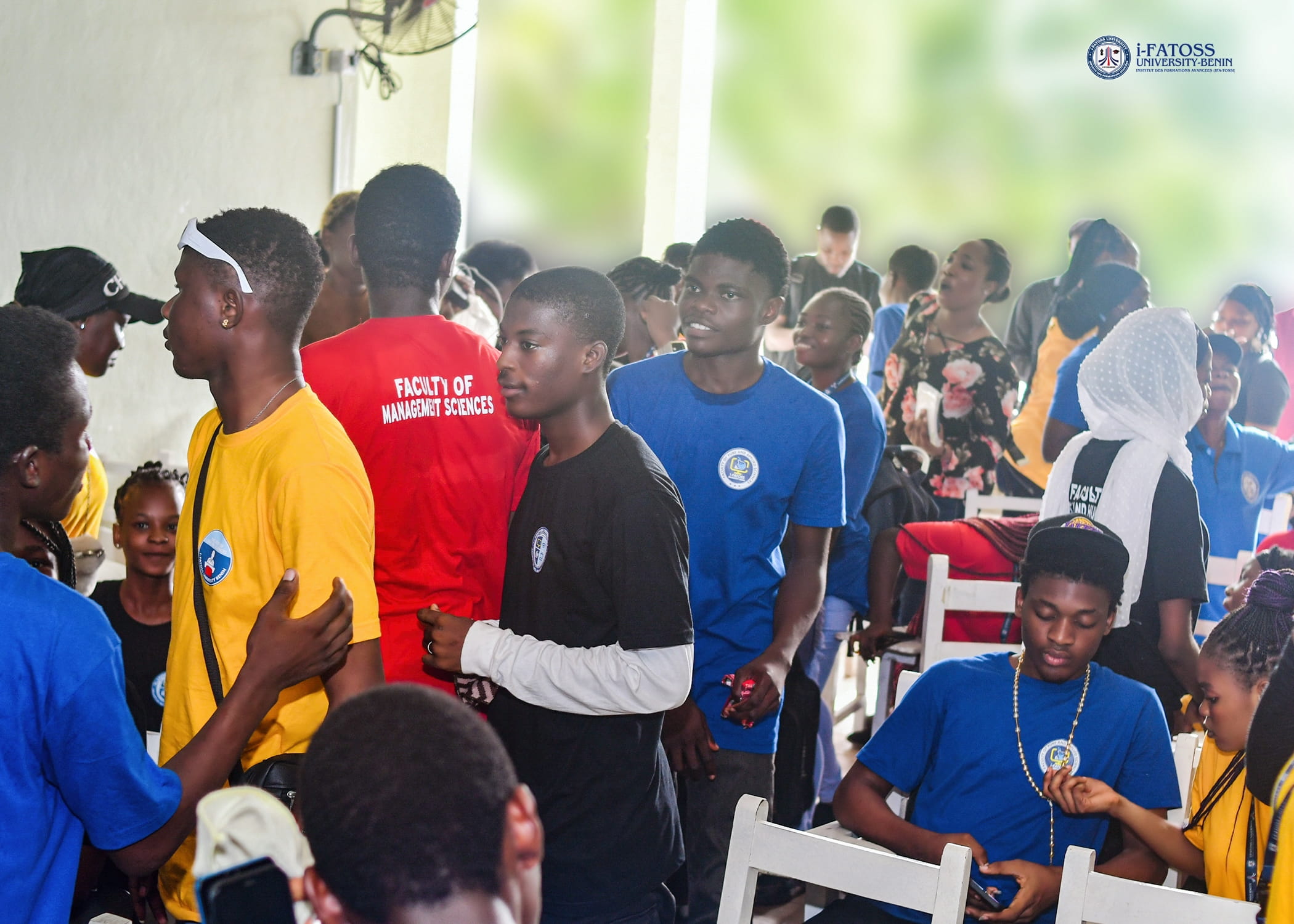
Student Week is one of the most anticipated events at i-FATOSS University, bringing together students from different backgrounds to celebrate culture, talent, and community in one unforgettable week.
From cultural showcases to sports competitions and an unforgettable gala night — Student Week 2026 has something for everyone.
A vibrant showcase of cultures, traditional attire, food, music, and dance from across the student community.
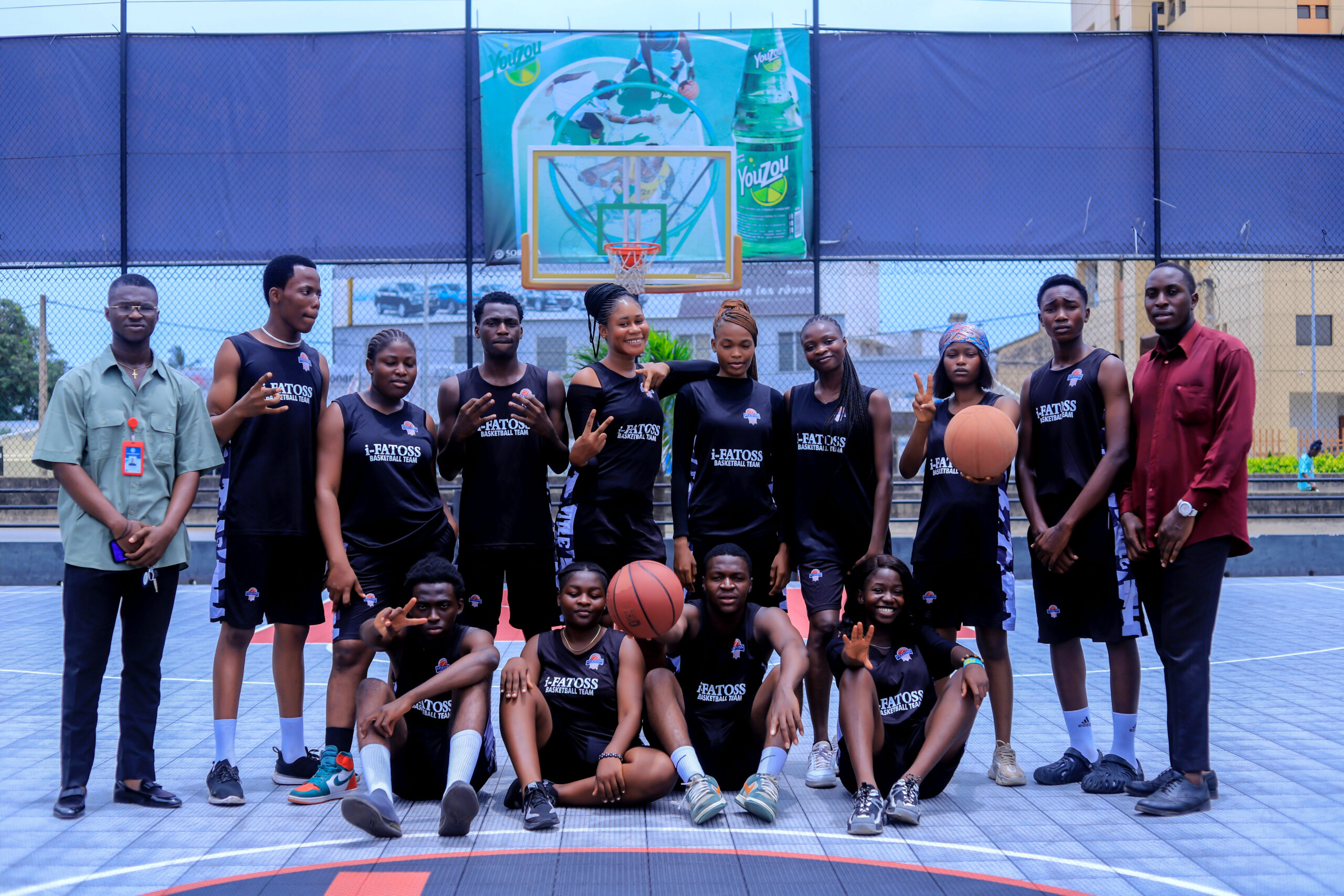
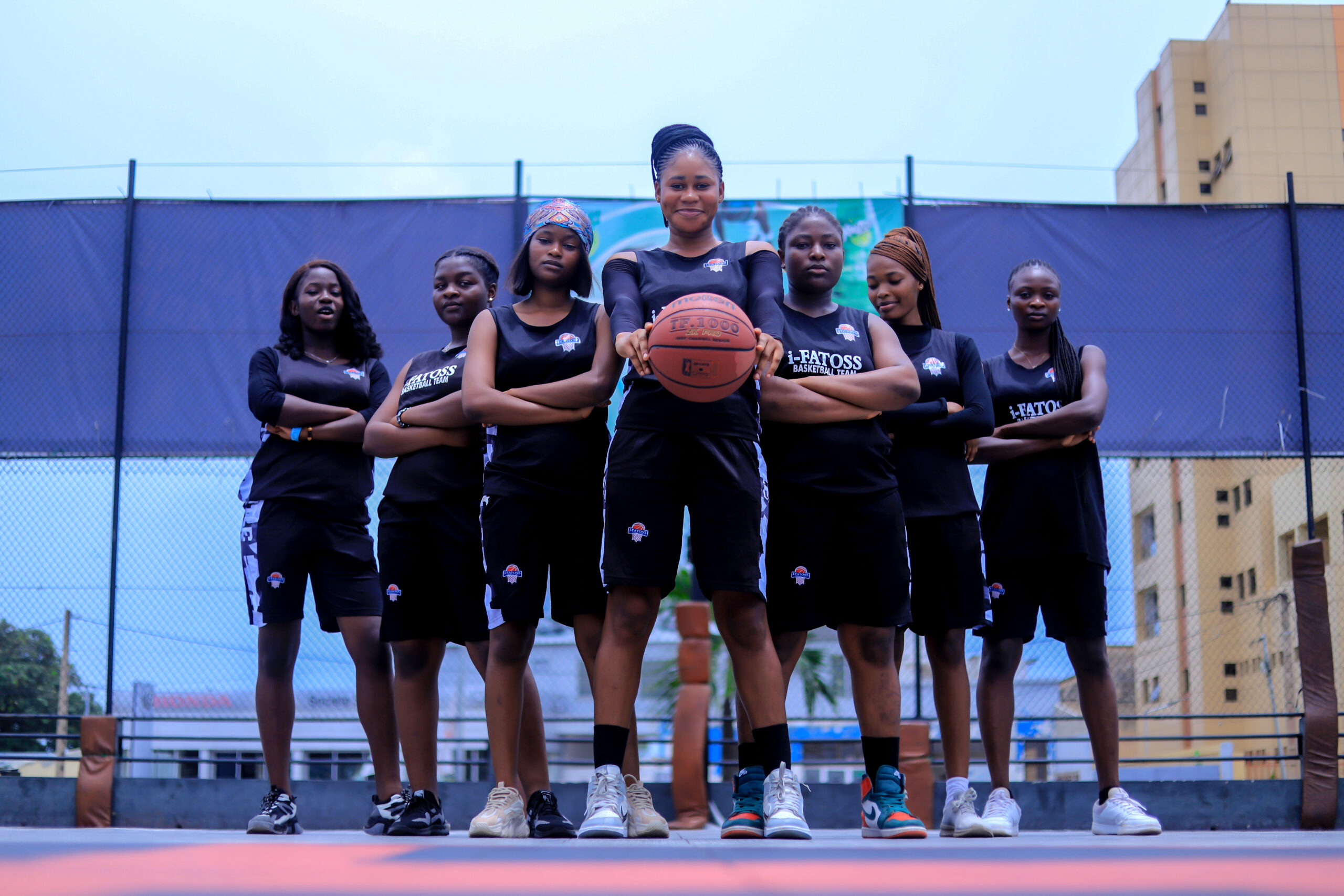
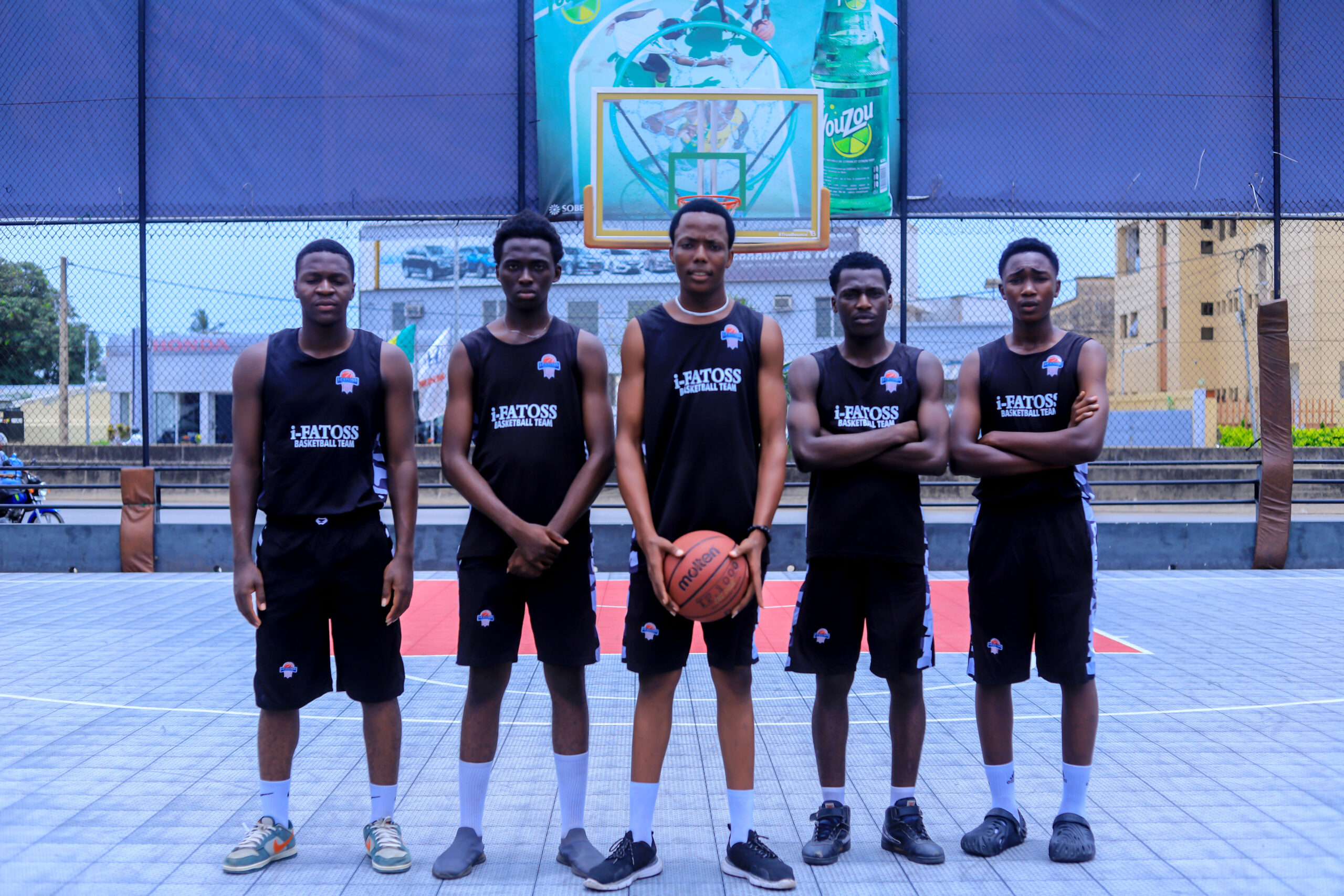
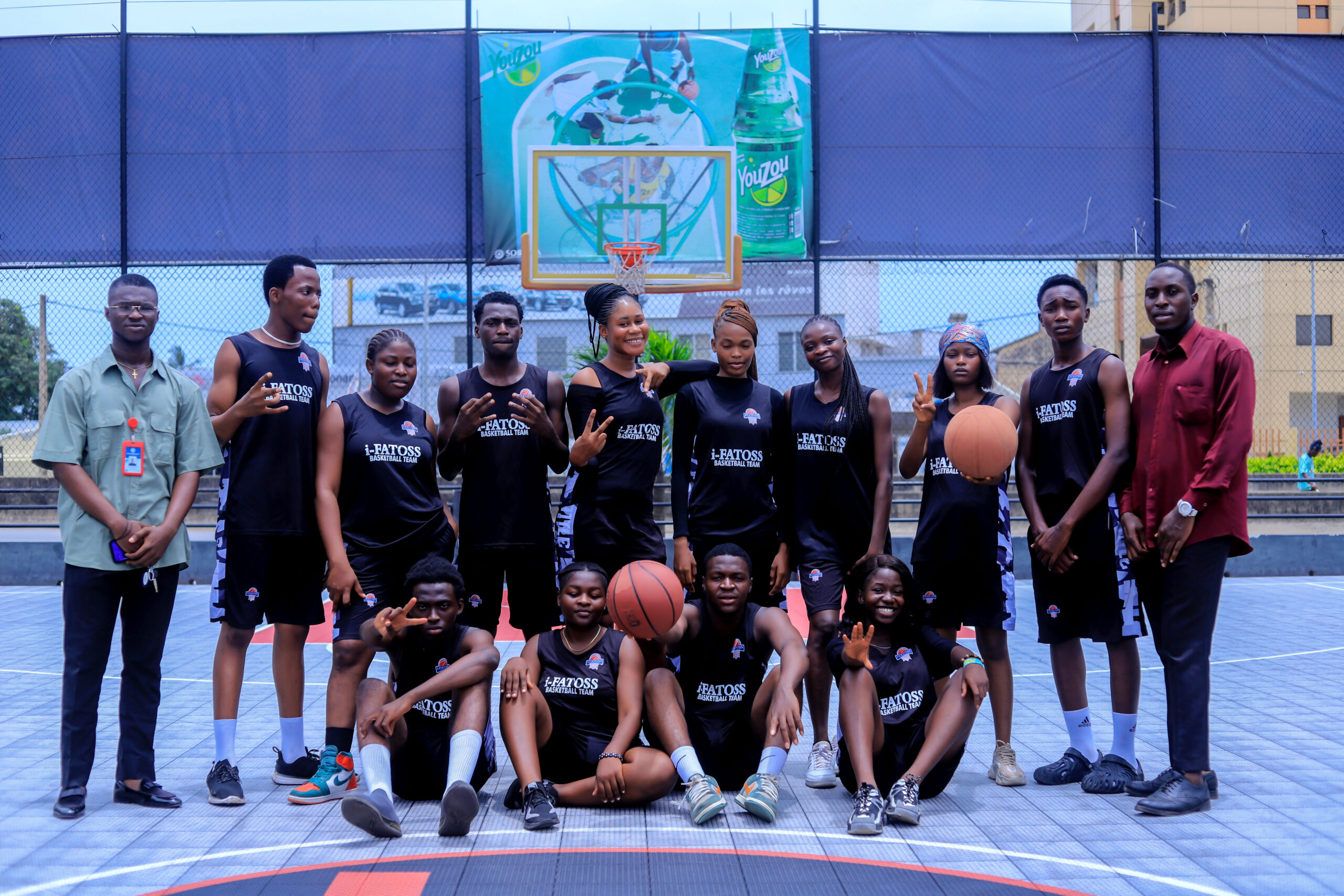
Inter-faculty football, basketball, relay races, and fun outdoor games for students of all fitness levels.
Wear your faculty or personal jersey with pride — a day of colour, unity, and campus-wide team spirit.
Students take the stage to perform music, comedy, spoken word, dance, and more in front of the whole campus.
Battle-of-wits sessions that test knowledge, quick thinking, and public speaking across all departments.
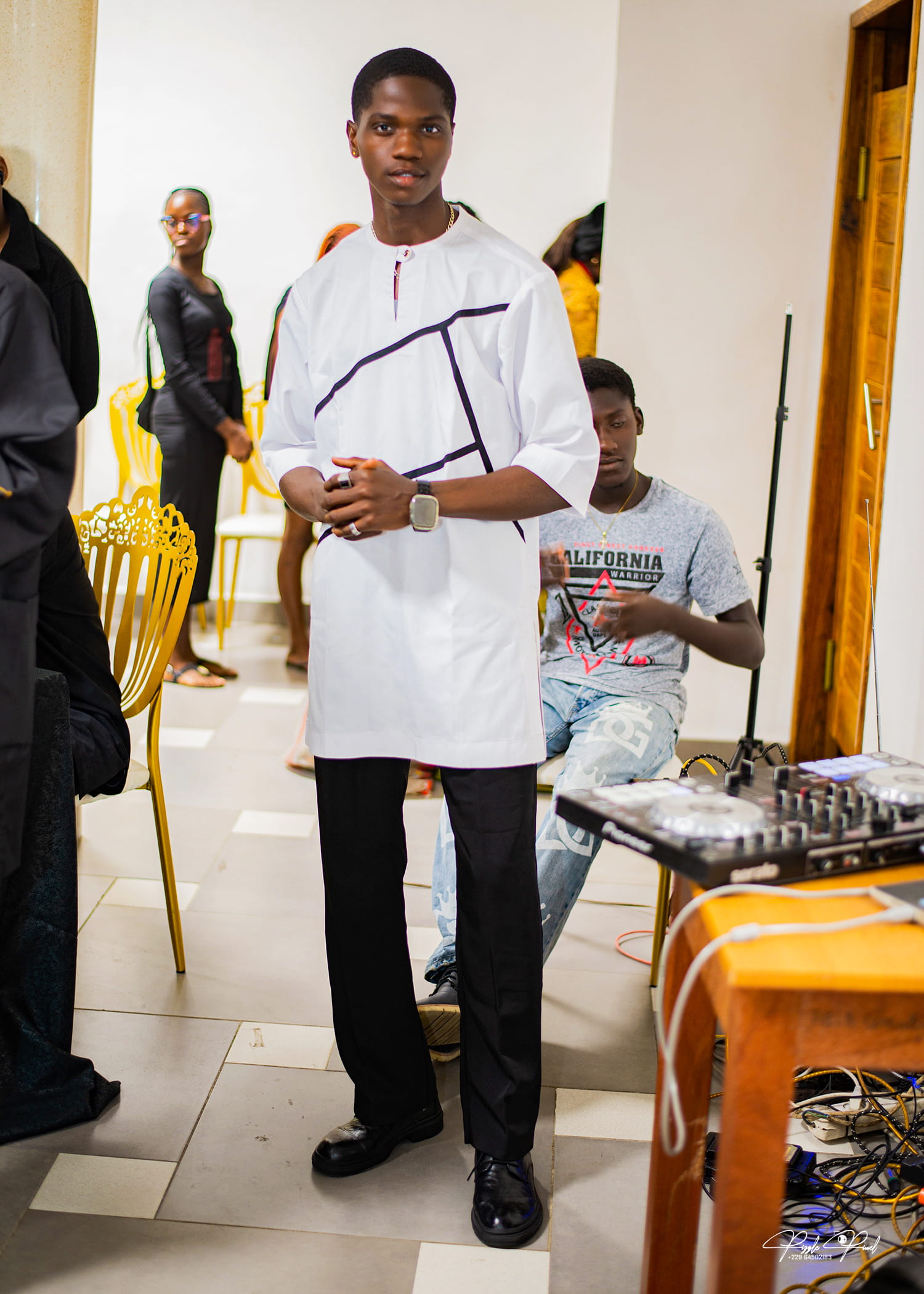
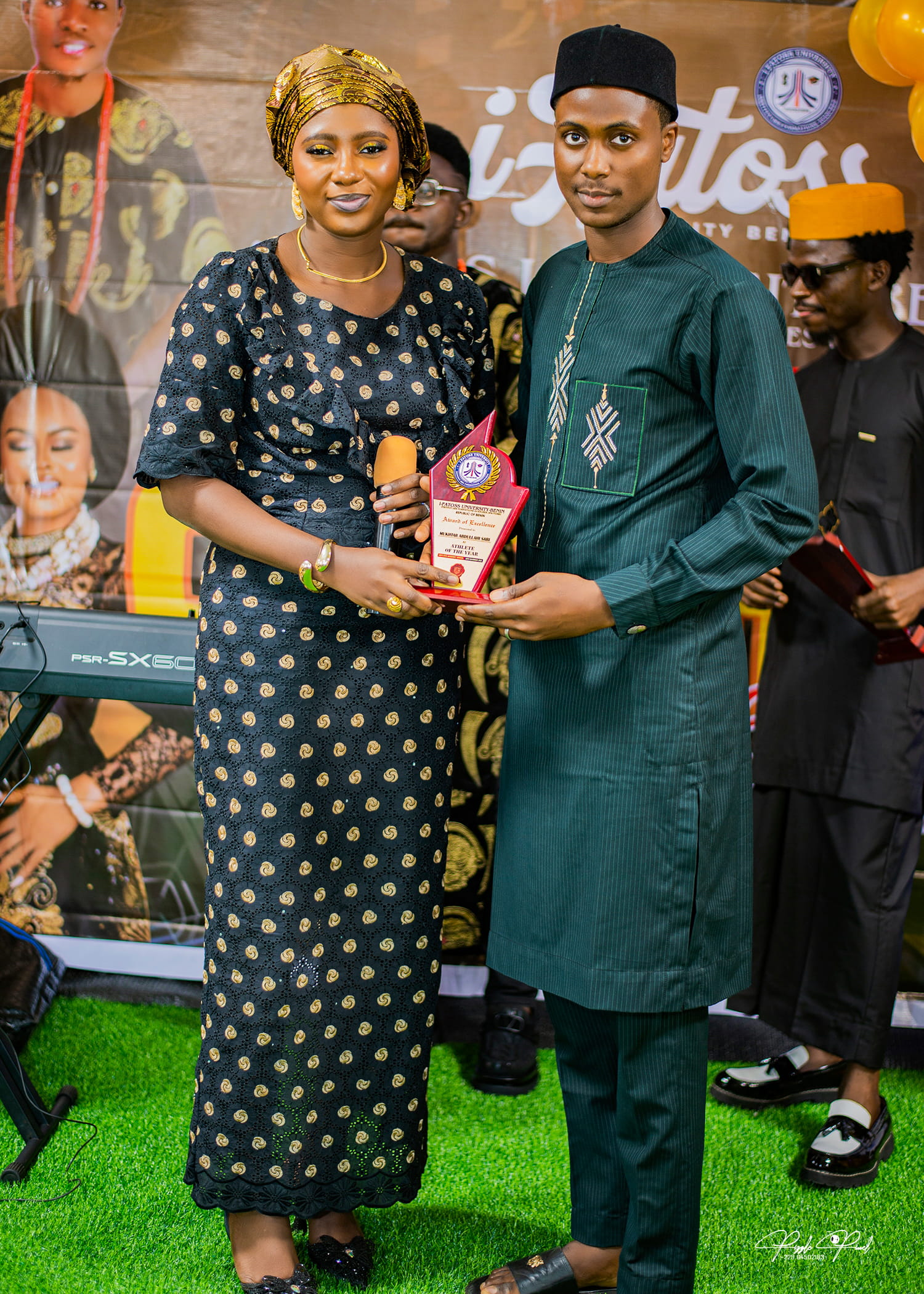
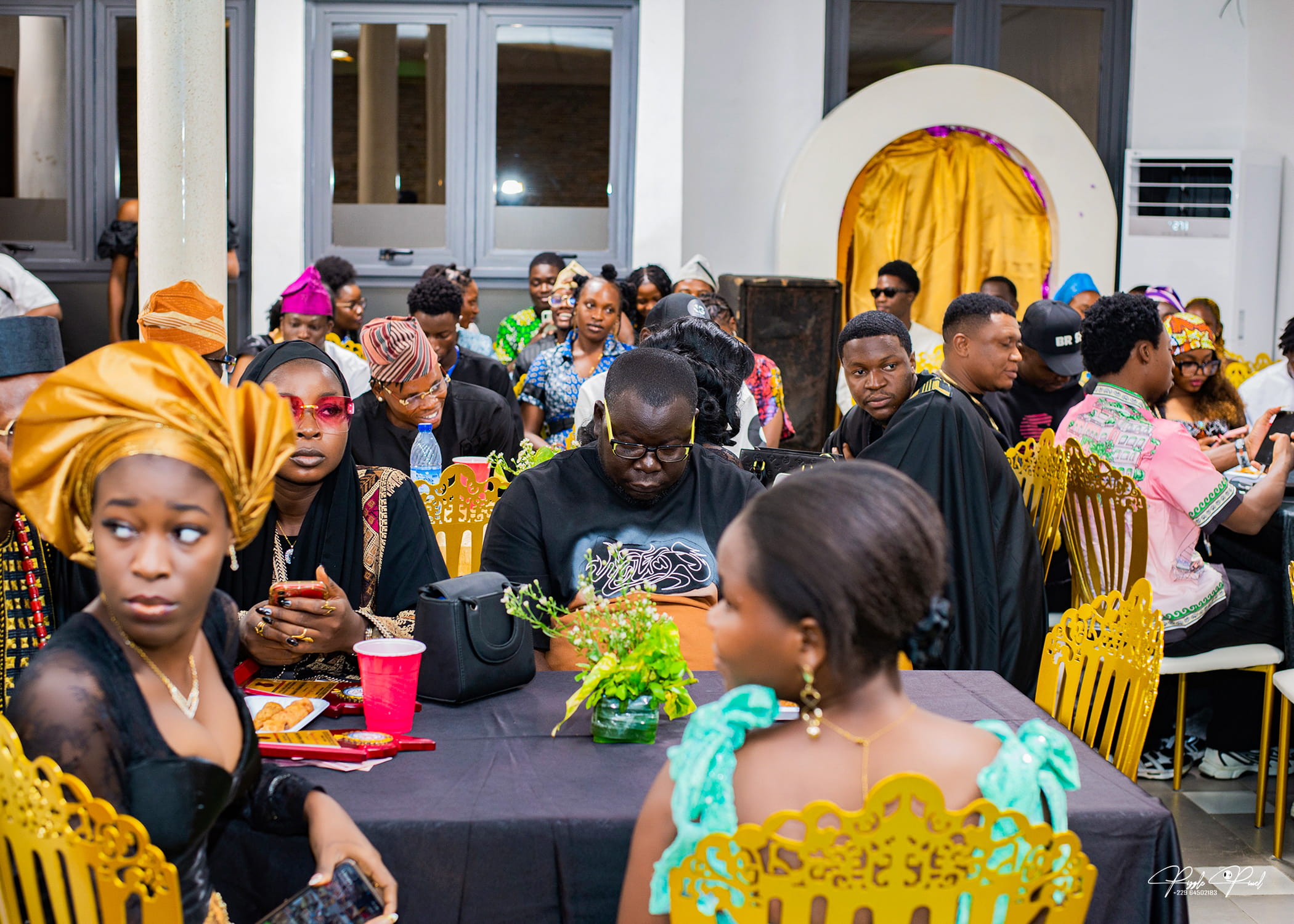
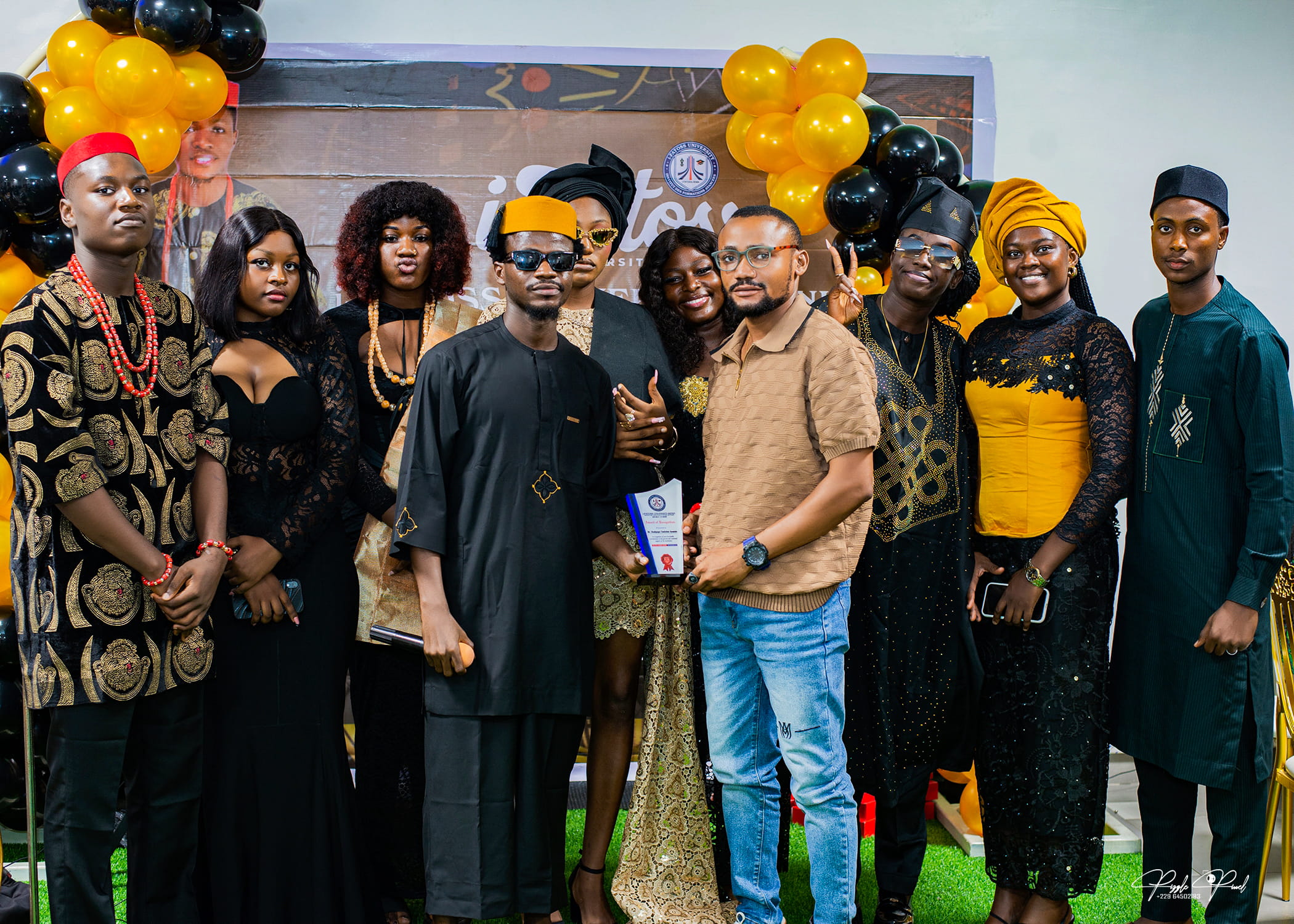
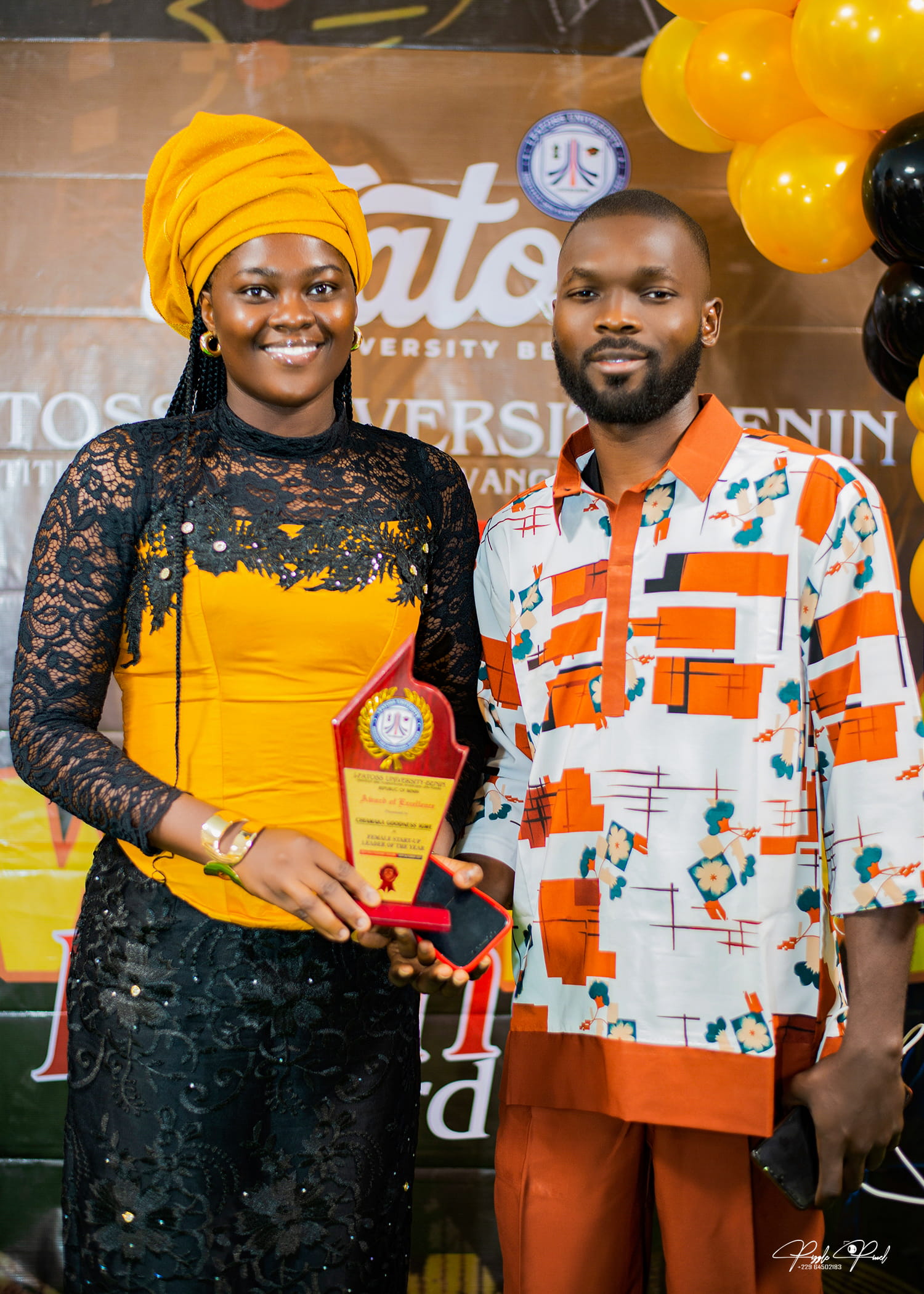
The grand finale — celebrating outstanding students, performances, and memories made during Student Week.
Each day is carefully planned to bring a fresh experience. Here's what to expect throughout the week.
Official launch of Student Week 2026 with a campus-wide opening ceremony, welcome speeches, and orientation for all participants.
Students dress in traditional attire, showcase their heritage, and share authentic cuisines at the i-FATOSS Food Exhibition.
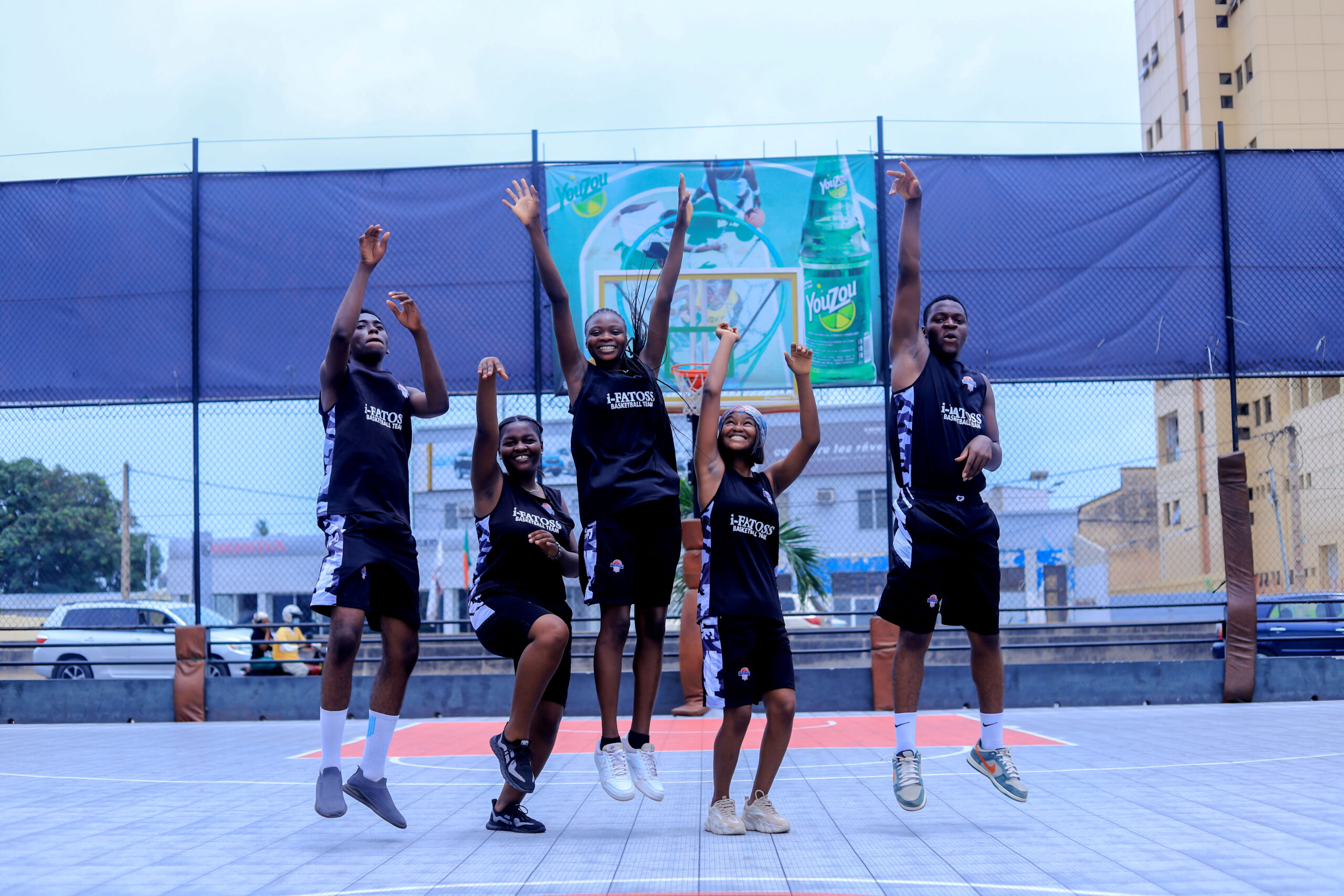
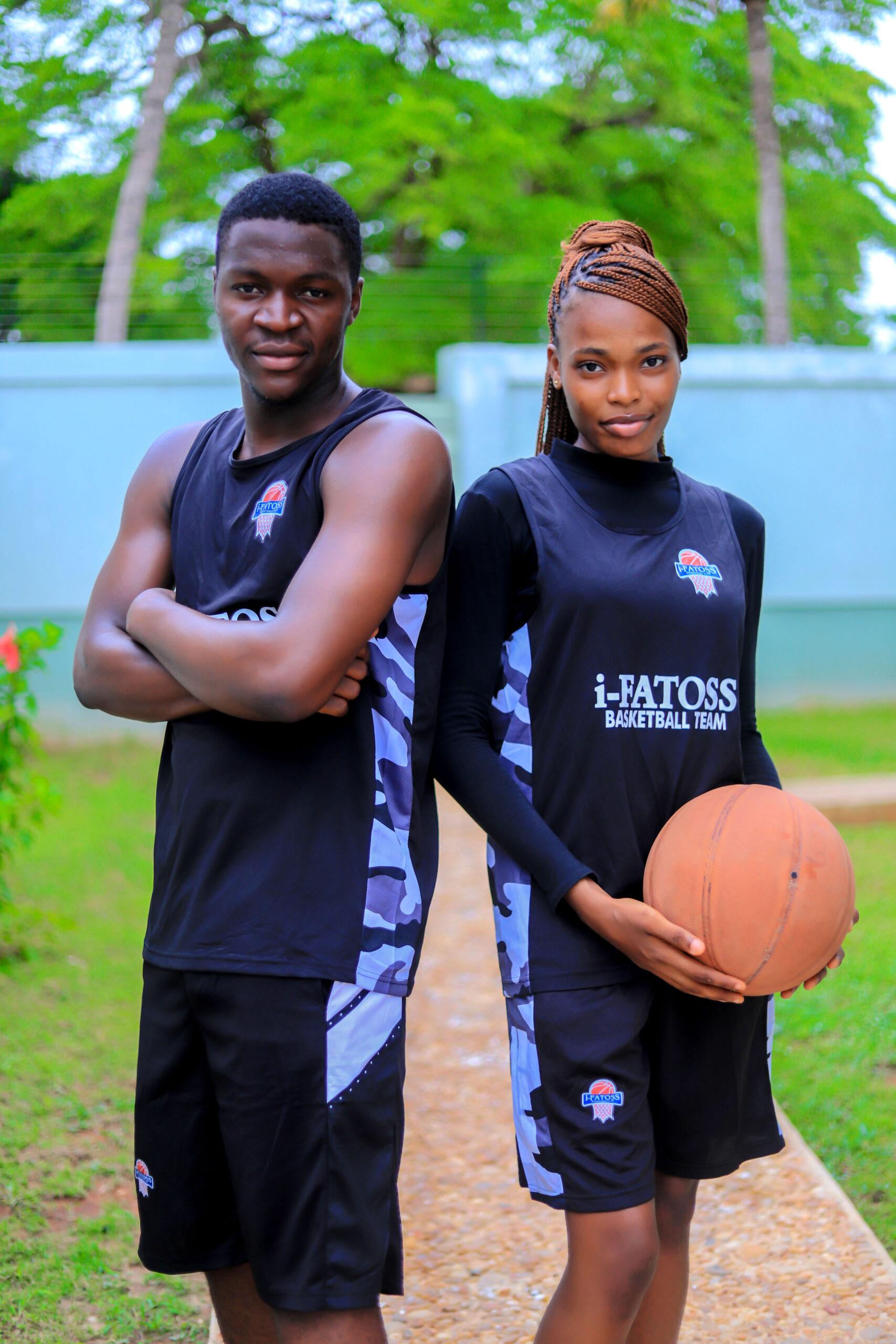
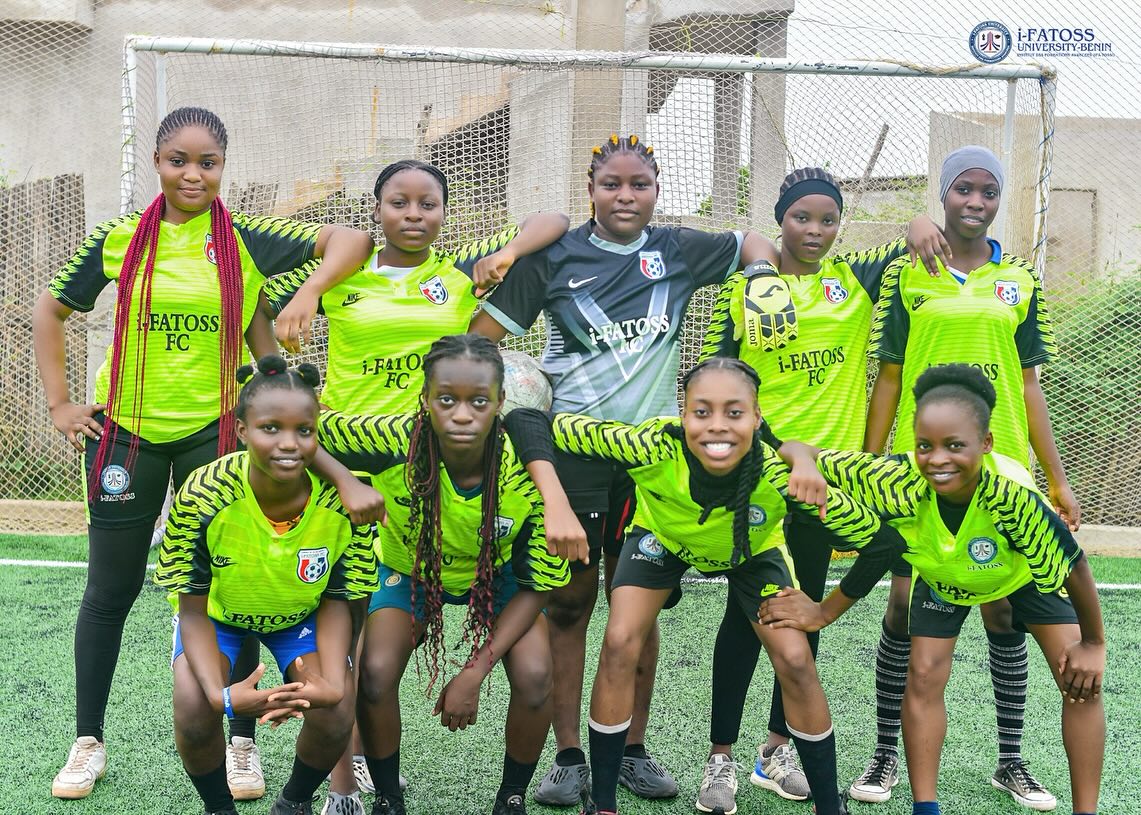
A full day of inter-faculty sports competitions including football, basketball, athletics, and fun team relay games.
Students take the stage for an electrifying night of performances — music, spoken word, comedy, dance, and more.
The grand finale — celebrating outstanding students, announcing winners, and officially closing Student Week 2026 in style.
Student Week captures the true spirit of life at i-FATOSS University — vibrant, diverse, and full of energy.



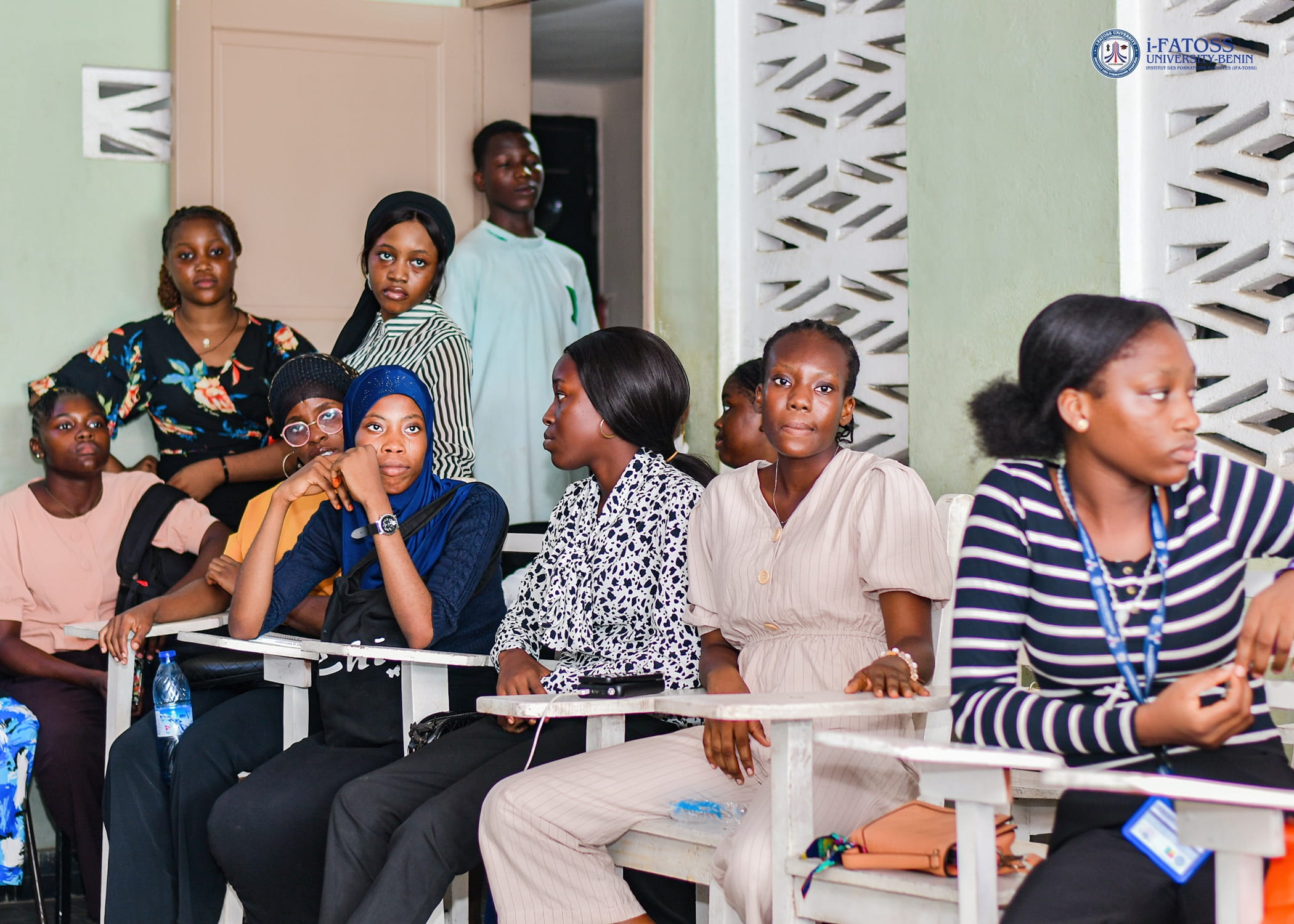
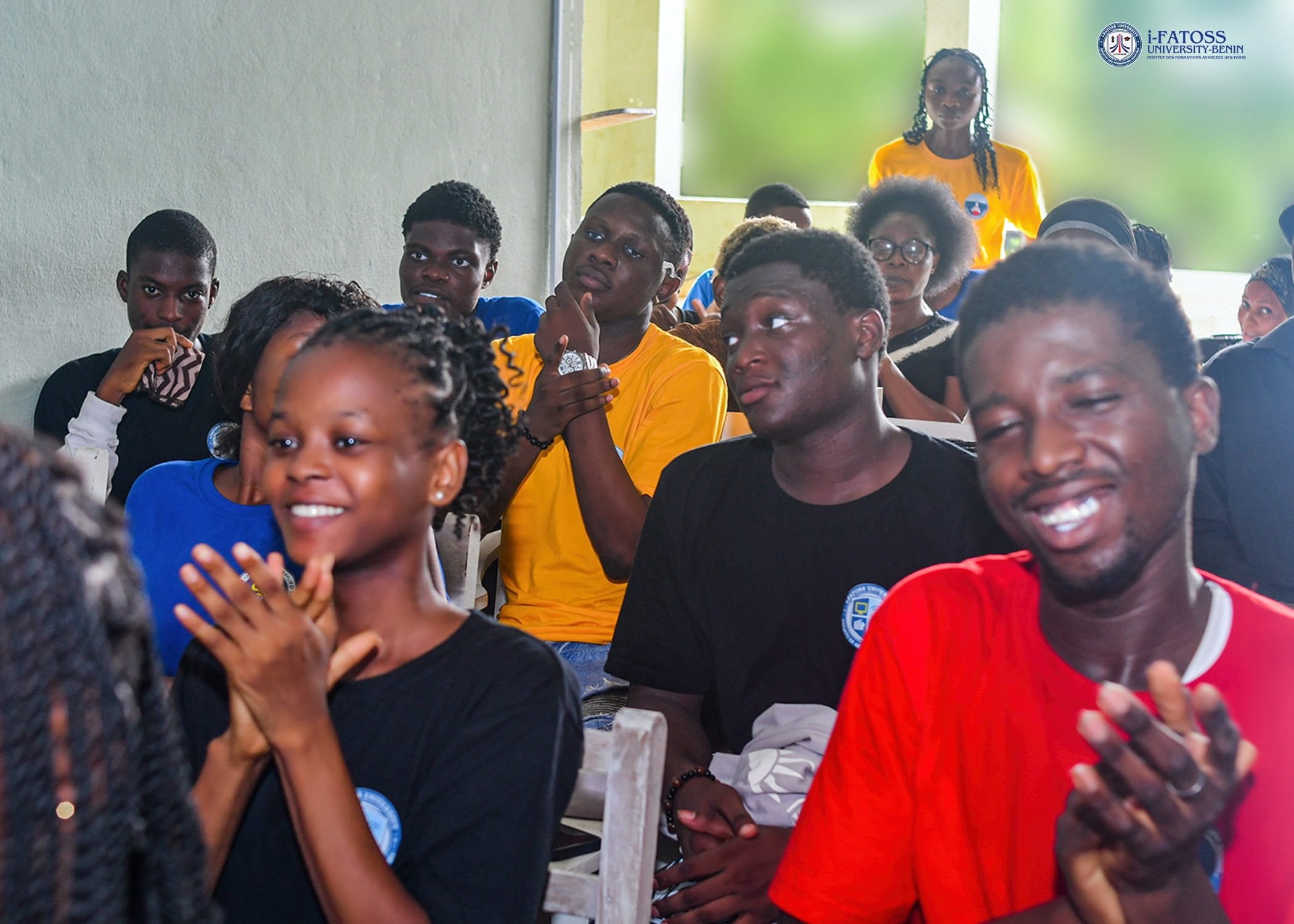
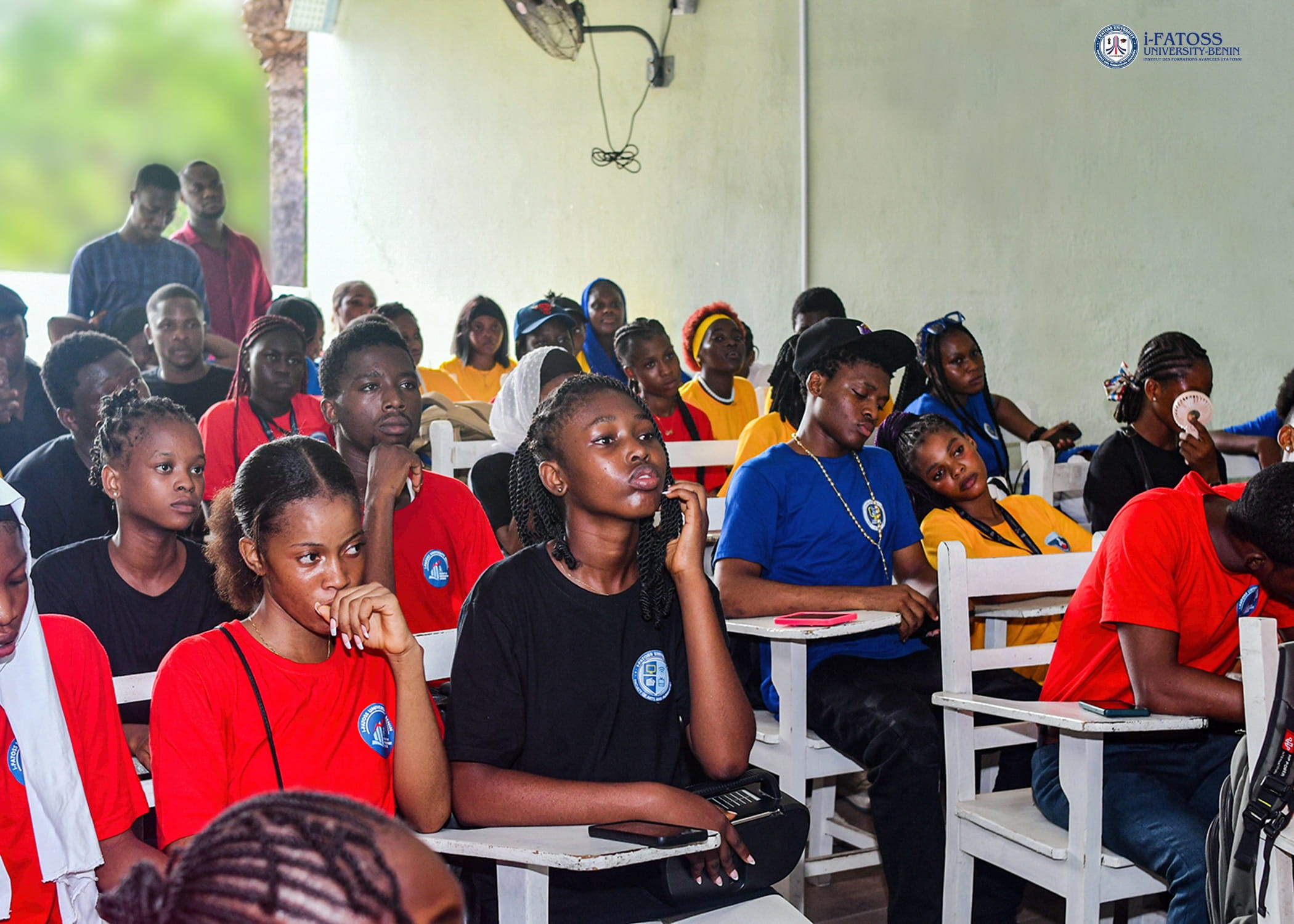
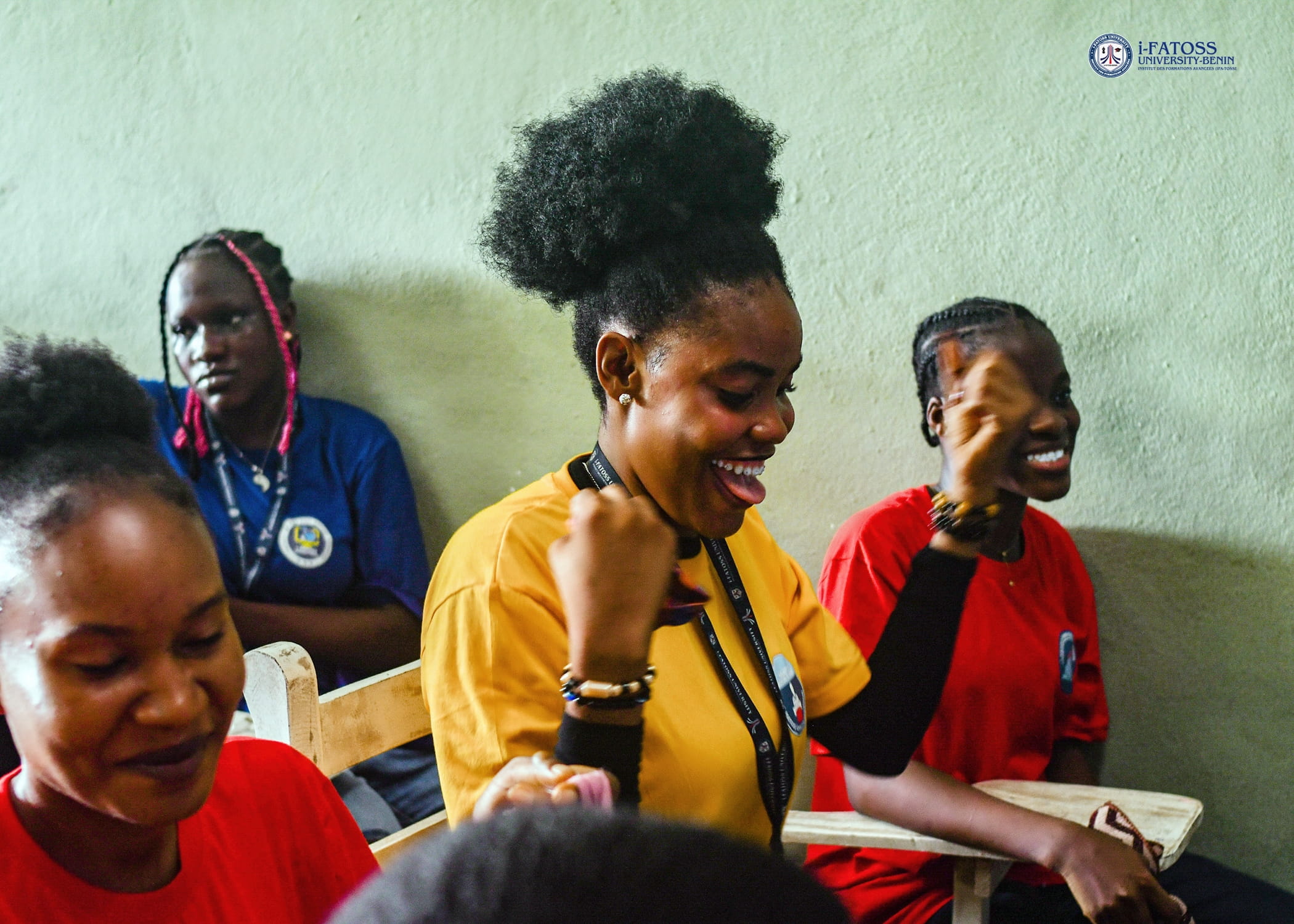


Watch the highlights from Student Week and see what makes i-FATOSS University one of the most vibrant campuses in the region. Real students, real moments.
The energy, the culture, the unity — all captured in one video from Student Week 2026.
Traditional attire, food exhibitions, music, and dance — Cultural Day at its best.
The grand finale where outstanding students and performers were celebrated on stage.
Every activity during Student Week contributes to your personal and professional growth as an i-FATOSS graduate.
Performing, speaking, and competing in front of peers builds the self-assurance needed in professional life.
Sports, group events, and cultural activities teach collaboration — a skill every employer values.
Shared experiences across faculties create bonds that last well beyond graduation.
Student Week adds richness to the academic journey — making university life memorable and complete.
Every student at i-FATOSS University is welcome to participate in Student Week — new or returning, individual or group.
Any currently enrolled student across all faculties and programs is eligible and encouraged to participate.
Whether it's your first week on campus or your final year — Student Week welcomes you at any stage.
Faculty clubs, associations, and student groups can register as teams and compete in group categories.
The most anticipated night of Student Week — where outstanding students and performers are celebrated in front of the entire campus community.
Recognising academic excellence and positive campus contributions throughout the year.
The best performers across music, dance, comedy, spoken word, and creative arts.
Students who made a meaningful impact on campus culture, community, and student life.
" At i-FATOSS University, we believe education goes beyond the classroom. Student Week reflects our commitment to developing well-rounded, confident, and socially engaged graduates ready to lead in any environment.
Don't miss Student Week 2026 — the biggest celebration of campus life at i-FATOSS University. Apply today or contact admissions for more information.
LIST OF COURSES
Advancing scientific knowledge through rigorous teaching, practical research, and innovative applications across the natural and applied sciences.
Urban and Regional Planning, designed to train professionals in creating sustainable and well-organized urban spaces.
These programs prepare students for careers in property management, environmental sustainability, and urban development.mediating between English and French speakers.
Quantity Surveying is a professional course focused on the financial and contractual management of construction projects. It trains students to accurately measure building works, prepare bills of quantities, estimate project costs, control budgets, and ensure value for money throughout the construction process. Graduates are equipped to work as cost consultants, contract managers, or project cost analysts in both public and private sectors.
Building Technology is a practical and technical course that covers the principles and methods of constructing safe, sustainable, and durable buildings. It combines knowledge of materials, structural systems, construction techniques, and industry standards. Students learn how to design and supervise construction work from foundation to finishing, ensuring buildings meet functional and regulatory requirements.
Estate Management focuses on the efficient utilization, development, and administration of land and property assets. The course teaches property valuation, land use planning, facility management, real estate law, and investment analysis. Graduates can work as estate managers, property consultants, valuers, or real estate developers, helping clients maximize the value and productivity of property portfolios.
LIST OF COURSES
Empowering students with the knowledge and skills needed to excel in business, leadership, and organizational management.
Mass communication is the process of imparting and exchanging information through mass media to large segments of the population. It is usually understood for relating to various forms of media, as its technologies are used for the dissemination of information, of which journalism and advertising are part.
French language Communication develops your use of the French language and culture and develops your communication skills for the professional global environment. It helps you to achieve a good or high level of linguistic proficiency in French in reading, writing, listening and speaking. It also gives you insight into and practice in communicating internationally as well as mediating between English and French speakers.
Journalism is the activity of gathering, assessing, creating, and presenting news and information. It is also the product of these activities.
Linguistic is, broadly, the scientific study of language, and many topics are studied under this umbrella. Linguistics is a formal study of the sound system.
Theatre Arts is a creative and performance-based course that focuses on drama, acting, directing, scriptwriting, and stage production. It combines theory and practical training in performance, dramatic literature, stage management, and media production. Graduates can pursue careers in acting, filmmaking, broadcasting, event production, and other areas of the creative and entertainment industry.
LIST OF COURSES
Advancing scientific knowledge through rigorous teaching, practical research, and innovative applications across the natural and applied sciences.
International relations refer to a field of study and practice focused on understanding the unique relationships that exist between various nations and cultures. These relationships can impact everything from international politics, law, and economics to security, diplomacy, and governance.
Political science is the study of politics and power from domestic, international, and comparative perspectives. It entails understanding political ideas, ideologies, institutions, policies, processes, and behavior, as well as groups, classes, government, diplomacy, law, strategy, and war.
Economics is a social science concerned with the production, distribution, and consumption of goods and services. It studies how individuals, businesses, governments, and nations make choices about how to allocate resources.t management, information-technology management, research and development, and marketing.systems.
Sociology is the study of social life, social change, and the social causes and consequences of human behavior. Sociologists investigate the structure of groups, organizations, and societies, and how people interact within these contexts.
Intelligence and Security Studies is an undergraduate programme which examines how security and intelligence agencies operate their environment, and how their products represent a key component successful governance.
Public administration is the implementation of government policy and also an academic discipline that studies this implementation and prepares civil employees for working in the public service. Public administrators are public employees working in public departments and agencies, at all levels of government.
Psychology is the scientific study of human behavior, emotions, and mental processes. The course explores areas such as cognitive psychology, developmental psychology, social behavior, personality, and mental health. Students learn research methods, counseling techniques, and behavioral analysis, preparing them for careers in clinical practice, education, human resources, research, and social services.
LIST OF COURSES
Empowering students with the knowledge and skills needed to excel in business, leadership, and organizational management.
Accounting, also known as, accountancy, is the measurement, processing, and communication of financial and non-financial information about economic entities such as businesses and corporations. Accounting, which has been called the "language of business”, measures the results of an organization's economic activities and conveys this information to a variety of users, including investors, creditors, management, and regulators.
Human resource management (HRM or HR) is the strategic approach to the effective and efficient management of people in a company or organization such that they help their business gain a competitive advantage. It is designed to maximize employee performance in service of an employer's strategic objectives. Human resource management is primarily concerned with the management of people within organizations, focusing on policies and systems.
Business administration (also known as business management) is the administration of a commercial enterprise. It includes all aspects of overseeing and supervising business operations. From the point of view of management and leadership, it also covers fields that include office building administration, accounting, finance, designing, development, quality assurance, data analysis, sales, project management, information-technology management, research and development, and marketing.systems.
Banking and finance explores the constantly changing world of money, shares, credit and investments. Finance is an important part of our economy as it provides liquidity in terms of money or assets required for organizations, businesses and individuals to invest for the future. Banking and Finance explores the dynamic, fast-paced world of money, shares, credit and investments. ... Financial markets are very important and understanding the pricing of assets and derivative securities is vital.
Project management is the process of leading the work of a team to achieve all project goals within the given constraints. This information is usually described in project documentation, created at the beginning of the development process. The primary constraints are scope, time, and budget.
The management of transportation operations of all types, including tracking and managing every aspect of vehicle maintenance, fuel costing, routing and mapping, warehousing, communications, EDI implementations, traveler and cargo handling, carrier selection and management accounting.
Hospitality & Tourism Management is a dynamic course that focuses on the management of hotels, resorts, travel agencies, airlines, and tourism destinations. It equips students with skills in customer service, event planning, tourism development, hotel operations, and business management. The program prepares graduates to work in the global hospitality industry, manage tourism enterprises, and promote sustainable tourism growth.
Marketing is a business-oriented course that centers on understanding customer needs and promoting products or services effectively. It covers areas such as consumer behavior, branding, digital marketing, advertising, market research, and sales management. Students learn strategic planning and communication techniques to help businesses increase visibility, attract customers, and drive revenue growth.
LIST OF COURSES
Advancing scientific knowledge through rigorous teaching, practical research, and innovative applications across the natural and applied sciences.
Microbiology is the study of microscopic organisms such as bacteria, viruses, fungi, and parasites. It plays a crucial role in healthcare, research, and environmental management by helping to understand and control infectious diseases.
Biochemistry is the study of chemical processes within and related to living organisms. It combines biology and chemistry to explore the molecular mechanisms of life, including cells, enzymes, and DNA.
Computer science is one of the fastest-growing fields globally, with applications in almost every industry, from healthcare to entertainment. As technology advances, computer science professionals are essential for developing innovative software, AI, and cybersecurity solutions.
Project management is the process of leading the work of a team to achieve all project goals within the given constraints. This information is usually described in project documentation, created at the beginning of the development process. The primary constraints are scope, time, and budget.
Computer Engineering combines principles of electrical engineering and computer science to design and develop computer hardware and software. It focuses on building efficient computer systems, from microprocessors to embedded devices.
Management and Information Technology combines business management skills with IT expertise to solve organizational problems. It prepares students to manage tech-driven businesses, focusing on leadership, data analysis, and digital solutions.
Geology is the study of the Earth, including its materials, processes, and history. It helps us understand natural resources, environmental challenges, and natural disasters like earthquakes and volcanoes.